Best Flooring for Cold Climates: What Works in Wisconsin Homes
Flooring Expert & Author
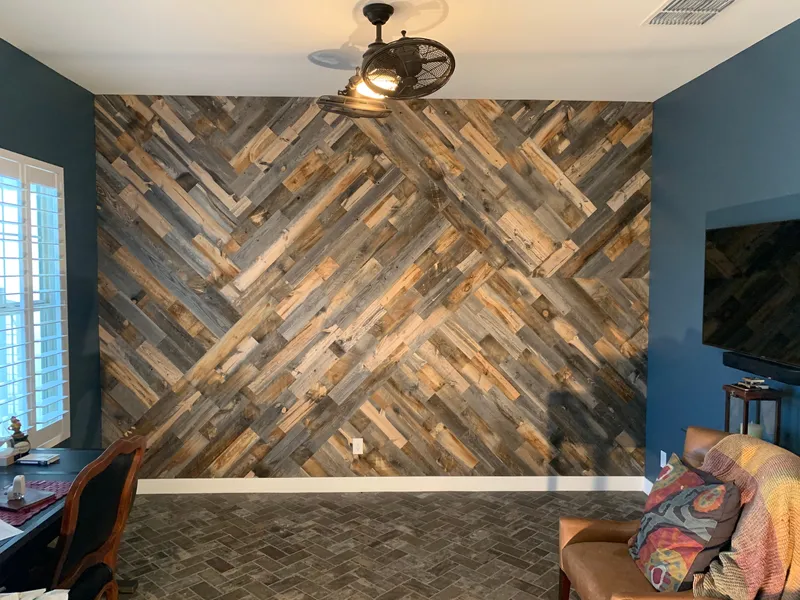
The best flooring for a cold climate is usually rigid-core luxury vinyl plank (LVP) for entryways, basements and wet rooms, and hardwood or laminate for dry living areas. Cold air is rarely the problem. Moisture from melted snow, very dry heated air and radiant-heat limits are what decide which floor holds up, and they are covered below.
What winter actually does to a floor
Three things change in a cold-climate home between October and March: how much water gets tracked in, how dry the indoor air gets, and how hard the heating system works. Each floor type reacts to them differently.
- **Melted snow and road salt water** end up on the floor at every door. Moisture is the first thing to consider for entryways, mudrooms and basements.
- **Dry indoor air.** Brett Miller explains in Hardwood Floors magazine that heating a building lowers relative humidity, which makes wood boards shrink, so almost every wood floor shows some seasonal gapping.
- **Heated floors and heated rooms.** Floors installed over radiant heat have surface-temperature limits, and many products have a minimum room temperature for installation. Both are covered further down.
Rigid-core LVP: the lowest-worry choice for wet entries and basements
Luxury vinyl plank with a rigid core is a plastic-based plank that does not contain wood fiber, which is why it is the usual pick where water is the main risk. In Illustrious Flooring's view it is the best fit for entryways, mudrooms, laundry rooms and basements, where boots, slush and spills are routine.
Two cautions apply. First, Paul Hambidge of Factory Direct Flooring notes that waterproof and water resistant are not the same thing, so ask the manufacturer what its waterproof claim covers. Second, check the temperature rules in the installation guide. Armstrong's glue-down luxury vinyl tile installation guide, for example, asks for the room, the flooring and the adhesive to be held at a minimum of 65°F for 48 hours before installation, during installation and for 48 hours after, and says the temperature should never fall below 55°F during the life of the floor. That is one manufacturer's guide for one product type, so follow the guide that comes with the floor you choose.
Laminate: good for dry rooms
Laminate has a printed image layer over a high-density fiberboard (HDF) core. Hambidge describes that fiberboard core as the part most vulnerable to moisture, which is why we suggest laminate for bedrooms, offices and dry living areas rather than entryways or basements. If a laminate is sold as waterproof, ask for the manufacturer's written definition before you rely on it in a wet area.
Hardwood: beautiful in living areas, if you manage humidity
Hardwood is a strong choice for living rooms, dining rooms and main-floor bedrooms, but it asks the most of the house in winter. The National Wood Flooring Association (NWFA) recommends keeping a home at 60 to 80 degrees Fahrenheit and 30 to 50 percent relative humidity, using a humidification system if needed. Small gaps that open in winter and close again when humidity returns are normal. Gaps that are large, or that do not close in the humid months, are worth a call to your installer.
If you are willing to keep an inexpensive humidity gauge in the room and humidify when the reading drops, hardwood handles a cold climate well. If you would rather not think about indoor humidity, LVP or laminate is the easier path. Our guide to why hardwood floors gap in winter covers what is normal and what is not.
Floors over radiant heat
Heated floors are popular in cold climates, and the surface-temperature limits differ by material. Mark Eatherton of the Radiant Professionals Alliance writes that the 2019 NWFA guidelines limit the operating surface temperature of an installed wood floor to 80°F. He also says hardwood is not recommended where the heat load requires floor temperatures of 85 to 90°F, and recommends confirming the design with the flooring manufacturer, since not all of them use the same limit. For luxury vinyl, the Armstrong guide above says radiant-heated substrates must not exceed 85°F at the surface.
The practical step is the same for every floor: get the maximum surface temperature in writing from the flooring manufacturer, and set the floor-temperature limit on the heating controls to match before the floor goes down.
Concrete basements
Basement slabs hold moisture, and cold weather does not remove it. The Armstrong guide says concrete substrates should be moisture tested, using a moisture vapor emission rate (MVER) test or an in-situ relative humidity probe, before resilient flooring goes down. In practice, that is a reason to test the slab and pick a rigid-core LVP, and to leave hardwood and standard laminate for upstairs rooms.
Installing in cold weather
Winter installations are routine, but the house has to be heated and stable first. The temperature guidance above is why we keep the heating running, and why we do not install in an unheated or half-finished space. According to our FAQ, most residential LVP or laminate installations take 1 to 2 days, and hardwood installations typically take 2 to 4 days including acclimation. Your written estimate gives the timeline for your job.
A quick guide by room
- Entryway or mudroom: rigid-core LVP, because of melted snow and salt water.
- Basement: rigid-core LVP, after the slab has been moisture tested.
- Kitchen, bathroom, laundry room: rigid-core LVP.
- Living and dining rooms: hardwood if you will manage humidity through the winter, LVP or laminate if you would rather not.
- Bedrooms and offices: any of the three. Decide on look, feel and budget.
- Over radiant heat: confirm the manufacturer's maximum surface temperature first, then choose.
Three questions that settle it
How wet will the room get from snow and spills? Will you keep indoor humidity steady all winter? Is the floor going over radiant heat or a concrete slab? If the answers are "very wet," "no," and "slab," rigid-core LVP is the usual match. If they are "dry," "yes," and "no," hardwood is a good fit.
Illustrious Flooring installs hardwood, LVP and laminate. Kyle Hedin is a Certified Flooring Installer (CFI #17580) through the International Certified Floorcovering Installers Association. Call (262) 683-5301, Monday to Friday, 9 AM to 5 PM, or request a free estimate and we will recommend a floor for your home. To compare the three materials side by side, read our guide to LVP vs. laminate vs. hardwood.
Sources
- Avoiding Winter Weather Woes - National Wood Flooring Association, January 4, 2022.
- 'Tis the Season: Understanding Seasonal Related Issues - Brett Miller, Hardwood Floors magazine, October 2, 2017 (page updated March 6, 2026).
- Designing and Installing Radiant Floors with the 2019 NWFA Guidelines - Mark Eatherton, Radiant Professionals Alliance, Hardwood Floors magazine, January 31, 2020.
- Luxury Vinyl Tile Installation System (glue-down) installation guide - Armstrong Flooring, PDF created March 25, 2021.
- The Waterproof Laminate Myth: Why Consumer Expectations May Never Be Met - Paul Hambidge, Factory Direct Flooring, reprinted from Floor Trends Mag, April 24.
Kyle Hedin is the founder of Illustrious Flooring in Wales, Wisconsin, specializing in high-quality hardwood, LVP, and laminate flooring installations. With over 10 years of experience in the flooring industry, Kyle brings expert craftsmanship and a keen eye for detail to every project in Waukesha County and Southeast Wisconsin. His commitment to clear communication and client satisfaction sets Illustrious Flooring apart.
Related Flooring Services
Serving Waukesha, Brookfield, Oconomowoc, New Berlin, Menomonee Falls & SE Wisconsin.
Planning a Flooring Upgrade?
Get a clear, honest quote from Illustrious Flooring.